✅FULL Kani Jones Full Pack All Files Free Link
Unlock the full kani jones digital archive released in January 2026. Our platform provides a massive collection of 4K video sets, high-res images, and exclusive media clips. Unlike other sites, we offer direct download links with no subscription fees. Enjoy kani jones in stunning 4K clarity. Our latest January folder contains exclusive PPV videos, behind-the-scenes photos, and rare digital files. Stay updated with the newest kani jones photo additions. Start your fast download immediately to unlock the premium gallery.
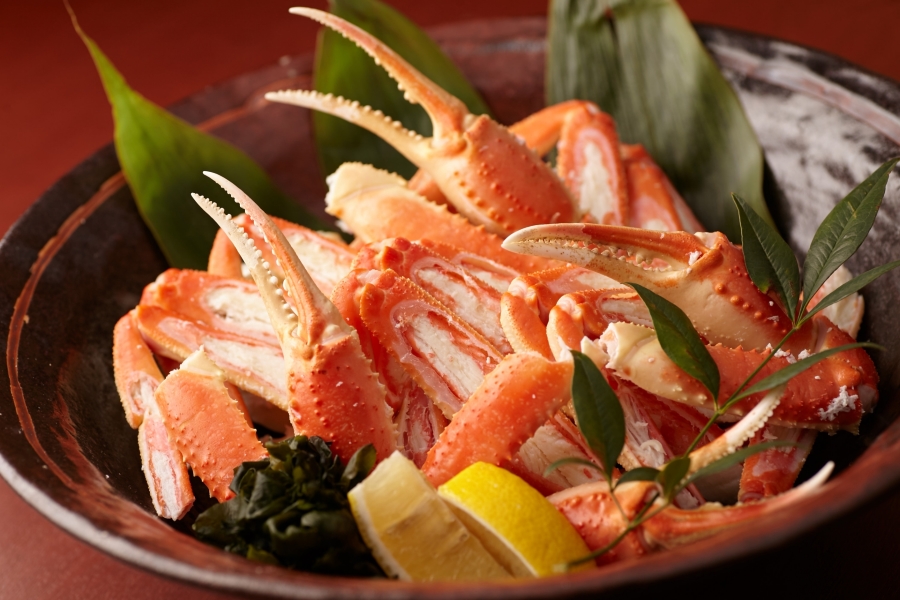
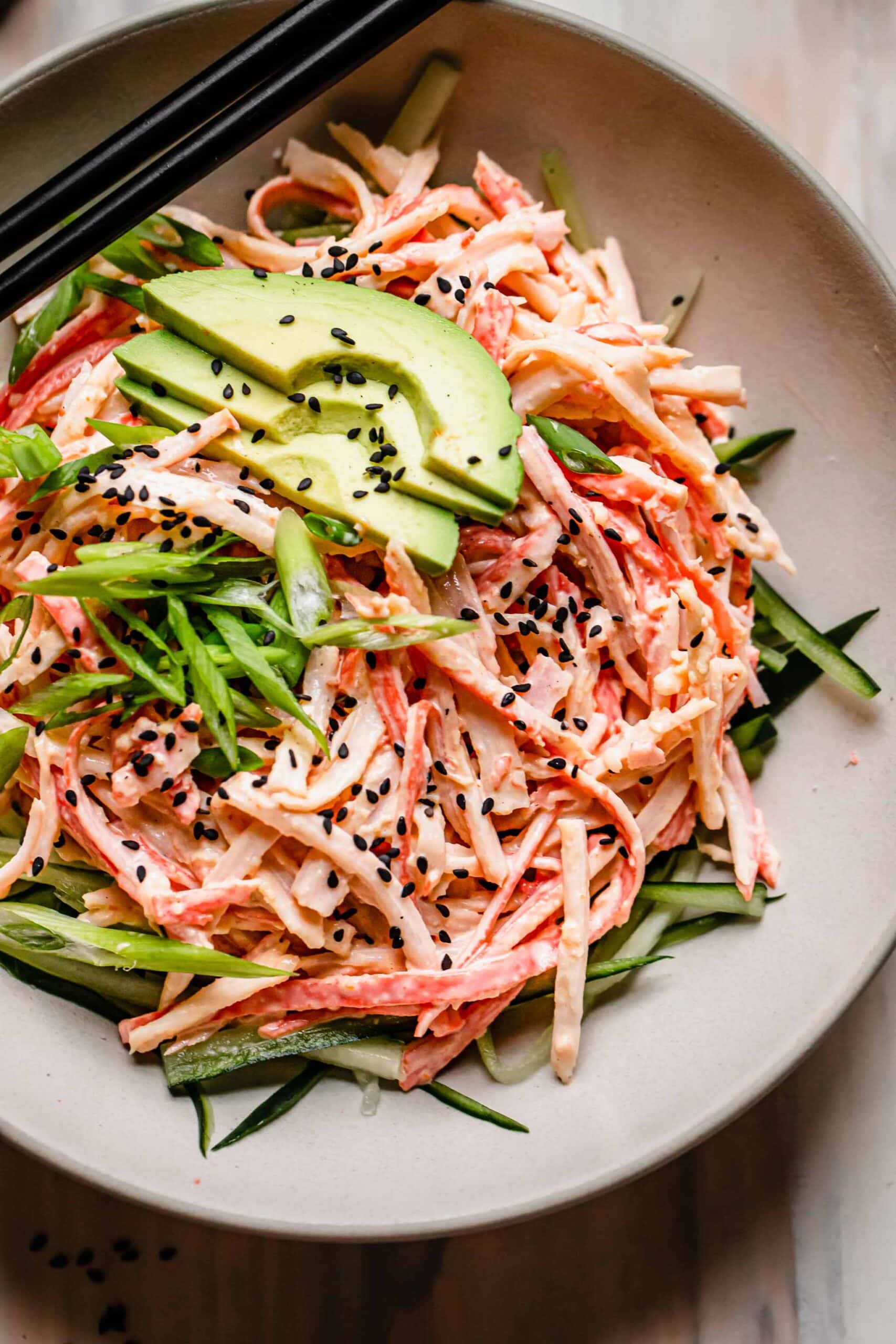
Kani is a japanese word meaning “crab”, although it contains zero real crab Kani is a processed crab stick made out of a pollock fish mixed with starch to imitate the crab meat while adding additional flavor until it tastes like an authentic crab. It’s just designed to mimic the flavor, and texture of steamed crab legs, grilled crab legs or baked crab legs.
What is Kani (Crab)? | We Love Japanese Food
The word “kani” is actually japanese for “crab,” usually imitation crab meat In japanese folklore, the crab is considered a symbol of good luck and prosperity. Kani is most commonly served as a spicy kani maki roll, consisting of cooked crab meat covered in rice and then wrapped in seaweed
Kani can be served shredded or in kani sticks, which are meant to be eaten like crab legs.
In the u.s., it is often referred to simply as kani Imitation crab is a key ingredient in california sushi rolls, along with avocado and cucumber, and is used as a crab substitute in japanese. The term “kani” simply means crab in japanese, but in western sushi bars, it typically indicates imitation crab made from surimi (fish paste) This processed seafood alternative has become a cornerstone of popular sushi rolls, especially in the iconic california roll.
Kani sushi comprises steamed rice and crab meat wrapped in nori (seaweed), usually served with soy sauce and wasabi on the side There are different types of kani sushi, such as nigiri, maki, and temaki. Kani, or crab, is a popular ingredient in sushi and has its own symbolic meaning in japanese culture