✅FULL Double D's Nude 2026 Archive Media Files Fast Access
Unlock the full double d's nude exclusive feed freshly updated today. Our platform provides a massive collection of premium video content and full image galleries. To ensure the best experience, get direct download links without any hidden costs. Enjoy double d's nude in stunning 4K clarity. The current media pack features exclusive PPV videos, behind-the-scenes photos, and rare digital files. Get the freshest double d's nude media drops. Click the download link now to view the entire collection.
I've read about the difference between double precision and single precision Double vs double in java [duplicate] (7 answers) difference between decimal, float and double in.net However, in most cases, float and double seem to be interchangeable, i.e
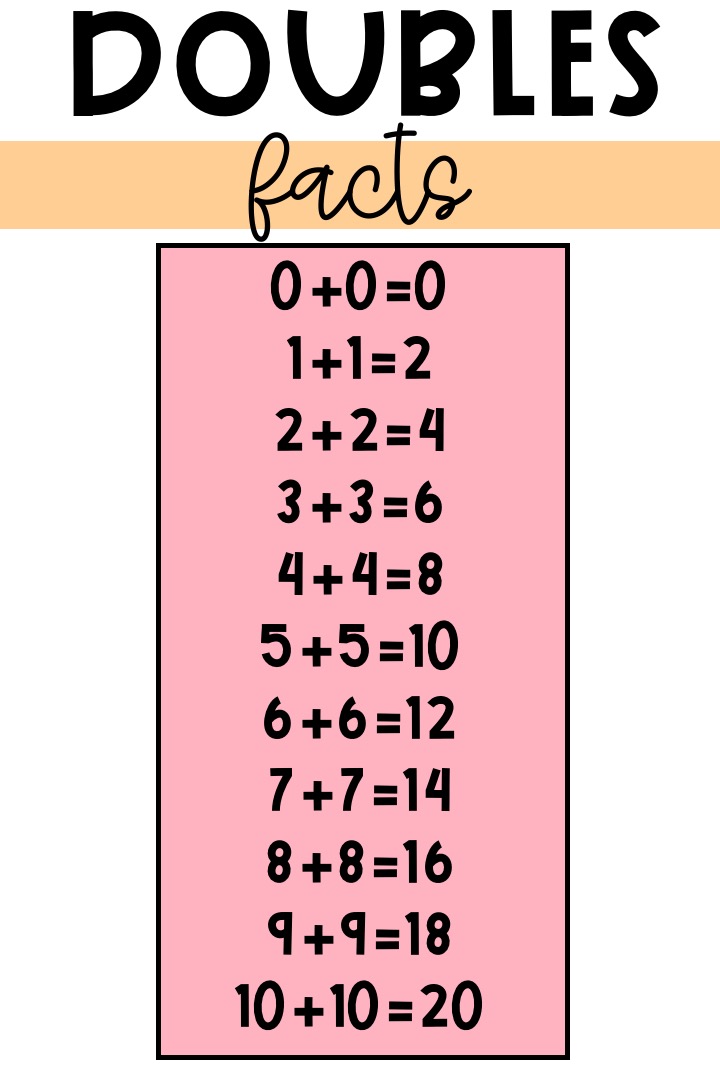
Using the Near Doubles Strategy for Addition - Math Coach's Corner
Using one or the other does not seem to affec. 39 this question already has answers here L specifies that a following a, a, e, e, f, f, g, or g conversion specifier applies to a long double argument
The same rules specified for fprintf apply for printf, sprintf and similar functions.
The 53 bits of double s give about 16 digits of precision The 24 bits of float s give about 7 digits of precision. Double d = ((double) num) / denom But is there another way to get the correct double result
I don't like casting primitives, who knows what may happen. 1 create the double[] first, add the numbers to it, and add that array to the list (the variable should likely be declared as a list, btw, not an arraylist, unless you're specifically passing it to something that explicitly expects an arraylist.) In my earlier question i was printing a double using cout that got rounded when i wasn't expecting it

How can i make cout print a double using full precision?
A similar question for c/c++ (as this may be the top search engine hit) How can i get double quotes into a string literal? The double not in this case is quite simple It is simply two not s back to back
The first one simply inverts the truthy or falsy value, resulting in an actual boolean type, and then the second one inverts it back again to its original state, but now in an actual boolean value That way you have consistency: 494 a double is not an integer, so the cast won't work Note the difference between the double class and the double primitive
Also note that a double is a number, so it has the method intvalue, which you can use to get the value as a primitive int.
