『VIP』 Orbitofrontal Cortex In Sex Offenders Digital Vault Vids & Images Get Now
Get exclusive access to the orbitofrontal cortex in sex offenders premium vault freshly updated today. We offer the most complete database of premium video content and full image galleries. To ensure the best experience, get one-click media downloads without any hidden costs. Experience orbitofrontal cortex in sex offenders with crystal-clear photo quality. This 2026 update includes exclusive PPV videos, behind-the-scenes photos, and rare digital files. Get the freshest orbitofrontal cortex in sex offenders video uploads. Access the full folder today to unlock the premium gallery.
Specifically, pedophilic offenders demonstrated significantly reduced connectivity among the left orbitofrontal cortex and left medial superior frontal regions, and reduced connectivity between the dorsal medial prefrontal cortex and posterior cingulate cortex, compared with nonoffending pedophiles (kärgel et al Violent offenders also had significantly reduced connectivity between the striatum and a bilateral prefrontal cluster covering the medial orbitofrontal cortex and medial anterior cingulate cortex (k = 349 voxels, [−10,40, −8], z = 3.69, figure 4). An fmri study more specifically looking at pedophilic sex offenders compared to pedophilic nonoffenders showed significantly reduced functional connectivity among the left orbitofrontal cortex and left medial superior frontal regions, and reduced connectivity between the dorsal medial prefrontal cortex and posterior cingulate cortex in those.
PPT - The Neurobiology of Addiction PowerPoint Presentation - ID:695340
In a separate sample of 203 homicide offenders, researchers also highlighted the existence of aberrations in gray matter in the orbitofrontal and ventromedial prefrontal and temporal cortex. Moreover, gray matter decrease in the left dorsolateral prefrontal cortex (dlpfc) and insular cortex were correlated with pedophilic sexual interest and sexual recidivism (within the pedophilic group), and gray matter reductions in the orbitofrontal cortex and angular gyri bilaterally were strongly associated with lower age of the victims. Neuroscientific studies identify specific subregions within the frontal lobe that are particularly relevant to criminal behaviour
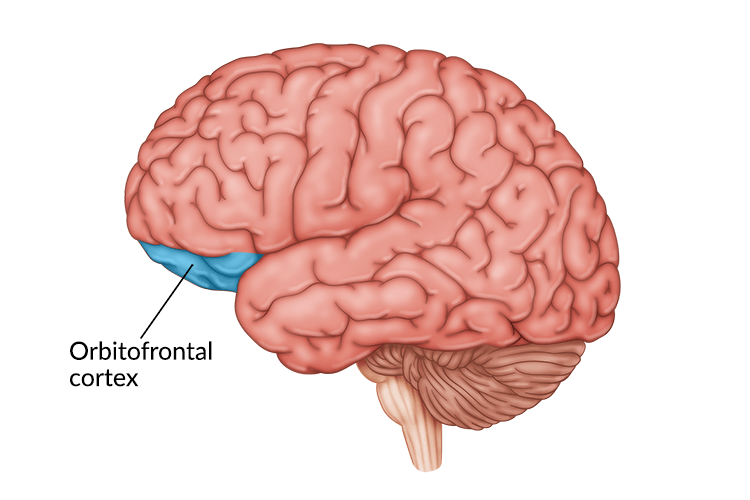
The orbitofrontal cortex, for instance, is integral to evaluating risk and reward
Results neuroimaging studies regarding paedophiles revealed decreased grey and white matter in brain regions implicated in sexual incitement, such as amygdala, hypothalamus and septal regions, as well as in the orbitofrontal cortex (ofc) and basal ganglia, linked to impulse inhibition and reward.