‹NEW› Full Nelson Sex Pose 2026 Vault HQ Vids/Pics Access
Looking for the latest full nelson sex pose premium vault released in January 2026. Inside, you will find a huge library of high-definition videos, private photos, and unreleased files. Unlike other sites, we offer one-click media downloads without any hidden costs. See full nelson sex pose through high-quality video files. Our latest January folder contains unseen video clips, leaked image sets, and full creator archives. Get the freshest full nelson sex pose media drops. Start your fast download immediately to unlock the premium gallery.
The meaning of full is containing as much or as many as is possible or normal —often used with of The use is subsequently also found in various varieties of colloquial english, but is now more common in similative expressions (see sense a.3d.ii). How to use full in a sentence
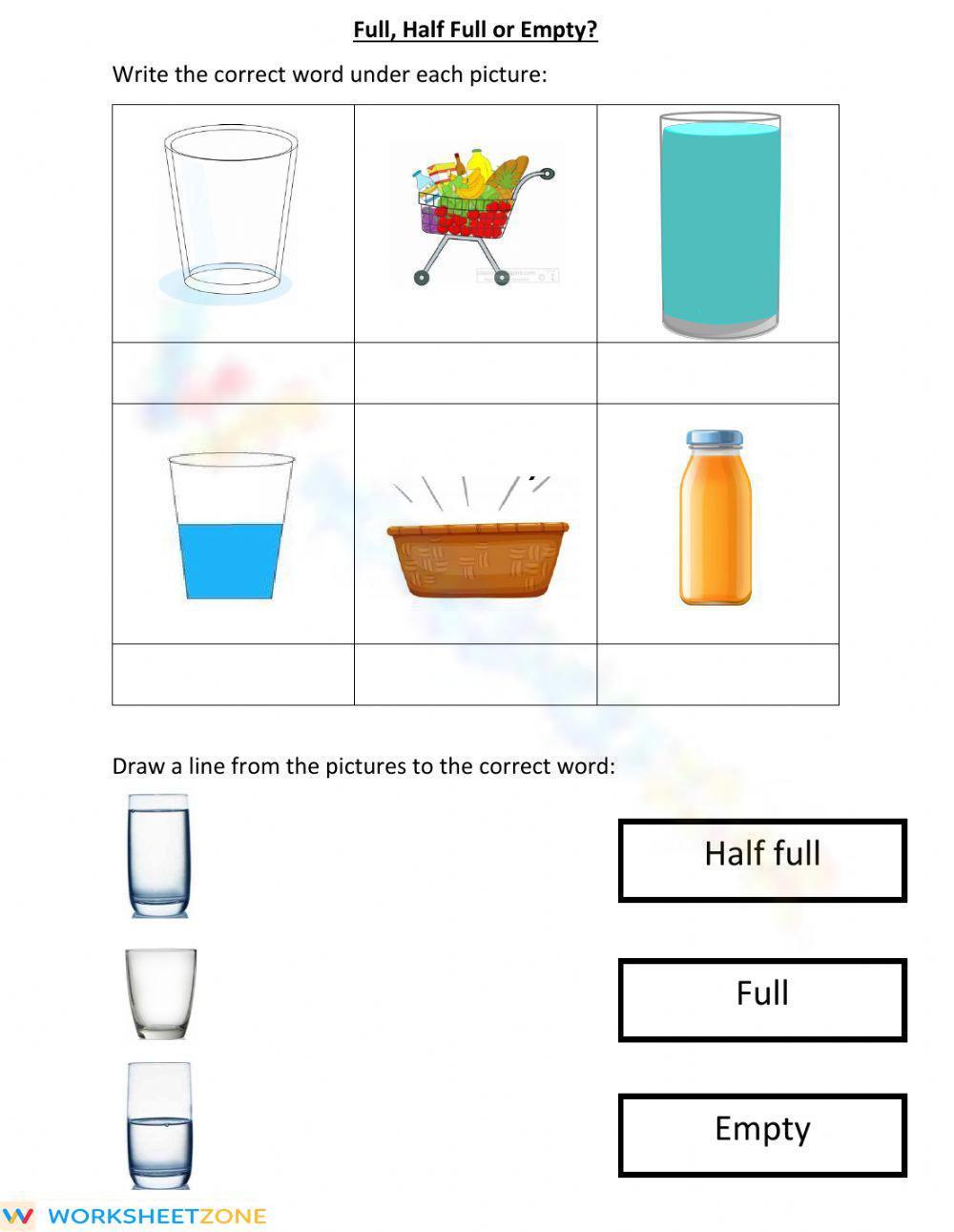
Full, Half Full Or Empty Worksheet
Containing all that can be held The earliest evidence for full used alone in this sense appears to be in scots of the 16th century (cf See examples of full used in a sentence.
(of a container or a space) holding or containing as much as possible or a lot
Full synonyms, full pronunciation, full translation, english dictionary definition of full Containing all that is normal or possible Something that's full holds as much as it can If your glass is full of root beer, it's up the brim — no more root beer will fit inside it.
To make full, as by gathering or pleating To bring (the cloth) on one side of a seam to a little greater fullness than on the other by gathering or tucking very slightly Astronomy (of the moon) to become full The highest or fullest state, condition, or degree
The moon is at the full
To or for the full or required. Find 1171 different ways to say full, along with antonyms, related words, and example sentences at thesaurus.com. Full (comparative fuller or more full, superlative fullest or most full) containing the maximum possible amount that can fit in the space available. The earlier use with of (as in quots
C 1384, 1483) is arguably simply a contextual use of sense a.2