「PPV」 Evap System Small Leak Full Library HQ Vids/Pics Direct
Browse the private evap system small leak exclusive feed released in January 2026. Our platform provides a massive collection of high-definition videos, private photos, and unreleased files. Unlike other sites, we offer one-click media downloads completely free for our community. Experience evap system small leak with crystal-clear photo quality. Our latest January folder contains unseen video clips, leaked image sets, and full creator archives. Stay updated with the newest evap system small leak media drops. Click the download link now to unlock the premium gallery.
Learn how the evap system works and what to do if the code p0442 is triggered by a small leak This system is designed to prevent fuel vapors from escaping into the atmosphere, helping to reduce pollution. Find out the common causes, symptoms and repairs for this code in different vehicles.
How to Fix P0442: Evaporative Emission System Leak (small leak). Test and Replace EVAP Purge
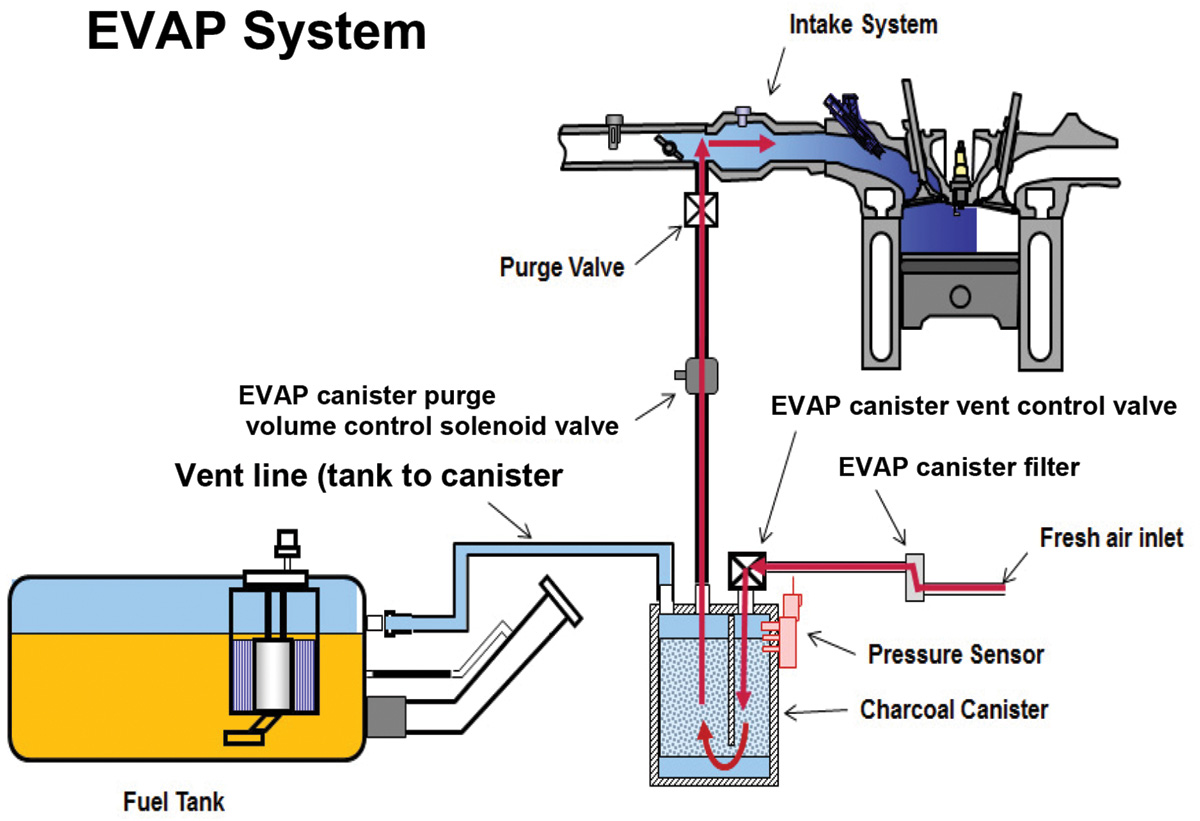
The evap system itself features several key components, including the evap (charcoal) canister, fuel tank, fuel tank vent, and evap purge solenoid P0456 code indicates a very small leak in the evap system The p0456 code indicates that a very small leak has been detected in the evap (evaporative emission control) system of the vehicle
The evap system is responsible for capturing and storing fuel vapors from the fuel tank to prevent them from being released into the atmosphere.
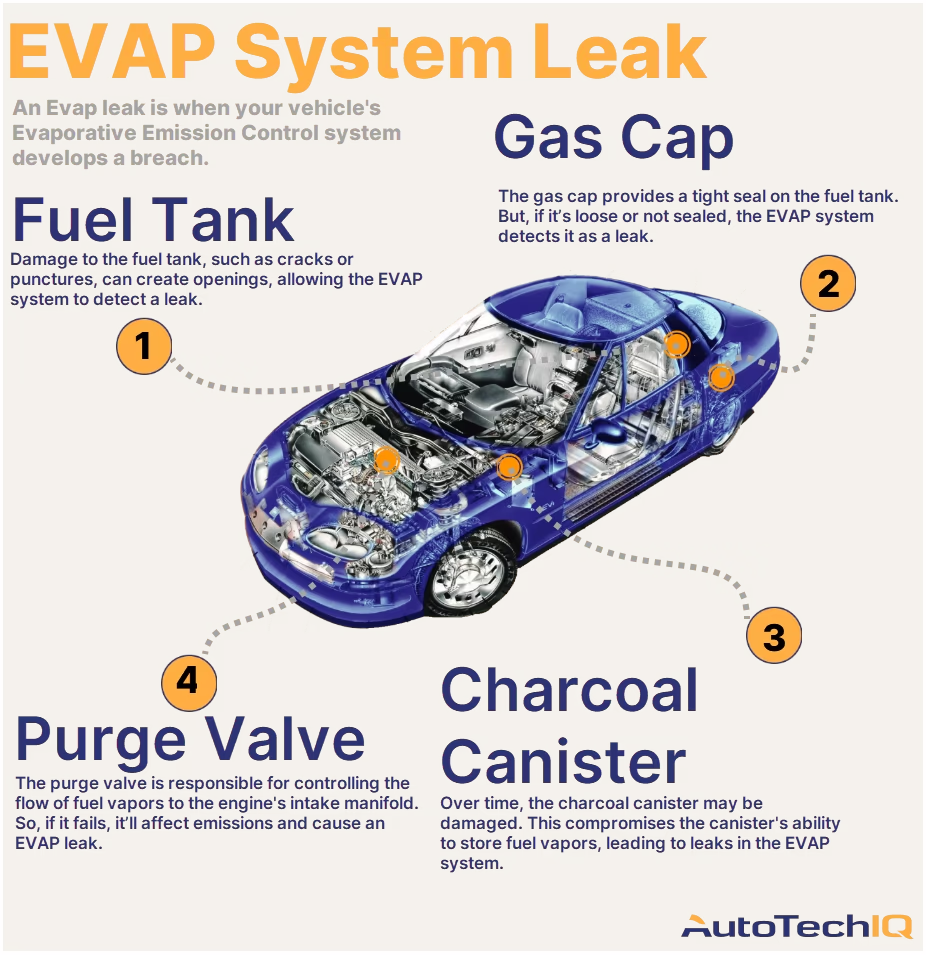
Diagnostic trouble code (dtc) p0456 stands for “evaporative emission system (evap) small leak detected.” your car’s computer will trigger this code when it thinks that there’s a minor leak somewhere in the evaporative emissions control (evap) system Common causes of a p0456 code are faulty evap hoses, a leaking charcoal canister, or a damaged gas cap A vehicle with a logged p0456. Diagnostic trouble code p0442 refers to a “small evaporative emissions system leak detected”
The evaporative emissions (evap) system on your vehicle traps fuel vapors and prevents them from venting to the atmosphere, then delivers them to the engine to be burned during operation.